
Somali Briefing | October 15, 2026 | The Wider Chronicle
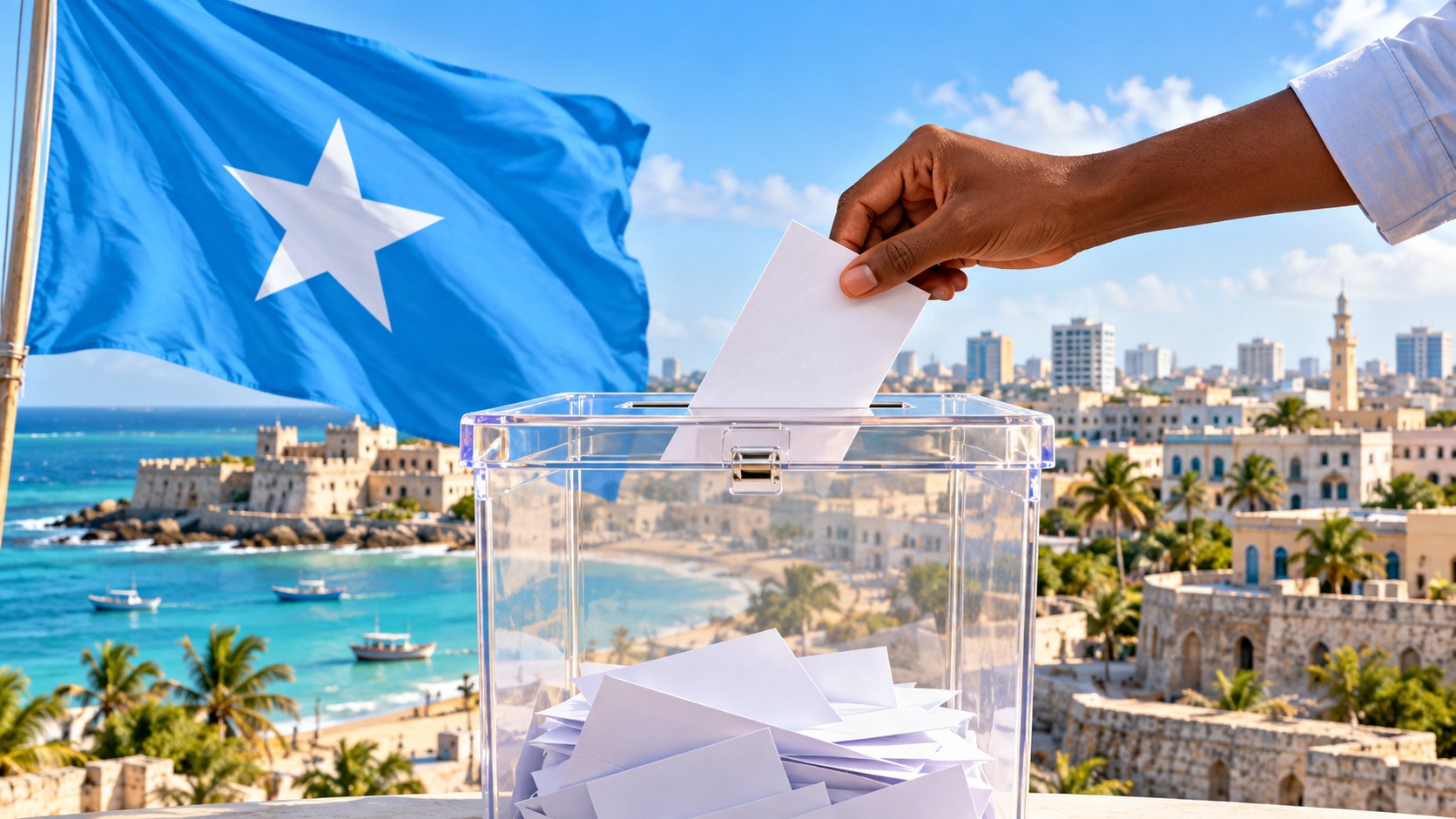
Somalia has announced dates for its next parliamentary and presidential elections, giving the country a timetable after months of political uncertainty. Parliamentary voting is scheduled for April 15, 2027, with the presidential election to follow on May 15. The announcement offers a clearer sense of when the government intends to hold the polls, although agreement on the rules remains elusive.
According to AFP, the electoral commission released the timetable on Thursday. The decision immediately places renewed attention on President Hassan Sheikh Mohamud’s term in office and the constitutional changes that underpin the schedule. For Somalia, the difficult work now is building enough confidence in the process for competing political groups to take part.
The dispute behind the dates
The commission based the presidential date on a five-year term beginning when the president takes office. Mohamud returned to the presidency in 2022, and constitutional amendments approved earlier this year extended the term from four years to five. Opposition parties boycotted that vote and rejected the changes, leaving the government and its opponents divided over the legal basis for the transition.
That disagreement will not disappear because an election date has been announced. If the government treats the timetable as settled while its opponents continue to challenge the framework, preparations could become another source of confrontation. A meaningful negotiation would need to address both the schedule and the authority under which the election will be conducted.
A larger argument about power
At the heart of the debate is the effort to move Somalia toward direct voting, replacing a political selection system built around clan elders and indirect elections. Mohamud has pushed for that change, while regional leaders have resisted his approach, seeing a risk of greater federal control. The disagreement involves who gets to shape the process as much as how votes will be cast.
Giving citizens a direct voice would be a significant step. But the value of that change depends on whether people can register, participate safely and trust that their votes will be counted fairly. Election administration, access to polling places and a credible way to resolve complaints deserve as much attention as the date itself.
For ordinary families, this debate also has a practical cost. A prolonged political standoff can consume attention that should be directed toward security, public services and livelihoods. Leaders seeking public support will need to explain how their proposed election arrangements serve citizens beyond their own political camps.
Security remains a major obstacle
Holding an election across Somalia presents serious practical difficulties. AFP reports that Al-Shabaab continues to control substantial territory and that preparations for voting have made limited progress beyond a few areas. A national timetable therefore leaves difficult questions about where voting can take place and how communities in insecure areas can be represented.
Those questions require clear answers before polling begins. Organizers will need to explain the arrangements for places where access is restricted, how election workers will be protected and how participation can be made as broad as possible. Leaving these decisions until the final stages would make disputes harder to manage.
What to watch next
The most useful signs of progress will be concrete ones: published procedures, visible preparations, transparent decisions and negotiations that bring major political actors into the process. A timetable can help organize that work, but confidence will grow through decisions that people can examine and understand. Independent scrutiny and clear communication would help citizens judge whether preparations match the promises.
The coming months will show whether the April and May dates can become a shared national commitment. Somalia’s leaders have an opportunity to reduce uncertainty by settling contested rules early and giving the public a clear account of what comes next. The credibility of the 2027 elections will depend on that work long before the first ballot is cast.
Reporting and analysis by The Wider Chronicle. Election dates and reported political background are based on AFP reporting carried by Africanews on October 15, 2026. The discussion of implications and possible next steps is editorial analysis.