
THE WIDER CHRONICLE | SOMALI BRIEFING
October 12, 2026
Somaliland has reaffirmed its interest in cooperation with Ethiopia over ports, trade and access to the sea, keeping Berbera at the center of a relationship with significant economic potential. In reporting published on October 12, Horseed Media said Foreign Minister Abdirahman Dahir Adan Bakaal described Ethiopia as a close partner during an interview with Sky News Arabia. The remarks point to continued openness to cooperation, but the available report does not announce a newly signed port agreement.
What happened
Horseed Media’s account links the minister’s comments to regional economic cooperation and Ethiopia’s search for maritime access. It presents Berbera, on the Gulf of Aden, as an important infrastructure asset for Somaliland and regional trade. The report does not provide a new contract, access timetable or detailed commercial terms. Readers should therefore distinguish the diplomatic statement from evidence that a new arrangement has taken effect.
Why it matters
Berbera already has a commercial foundation on which further cooperation could build. Port operator DP World lists container handling, general cargo, bulk commodities and livestock exports among its services. Its current terminal information gives post–first-phase container capacity as 500,000 twenty-foot equivalent units annually. That figure describes handling capacity; it should not be mistaken for the amount of cargo actually moving through the port.
The wider project extends inland. DP World says the Berbera Economic Zone opened following the inauguration of the new container terminal in June 2021, and describes the zone as lying 15 kilometers from the port along the corridor toward Wajaale and Addis Ababa. Its stated ambition is to connect maritime services with logistics and industry. Those earlier investments provide context for today’s statement, rather than proof of a new deal announced today.
Analysis: For Ethiopian businesses, another dependable route to international shipping could widen their commercial choices. For Somaliland, additional cargo could support demand for transport, storage and other services. Yet the value of a corridor depends on the full journey: shipping schedules, border procedures, road transport, charges and delivery reliability. A port’s ability to receive cargo is only one part of that calculation.
Who could benefit—and what needs scrutiny
Analysis: Truck operators, warehouse businesses, freight agents and workers could benefit if cooperation produces sustained additional trade. Local businesses would need opportunities to compete for contracts, while public authorities would need transparent arrangements for collecting and reporting revenue. These are possible gains, not outcomes established by the minister’s remarks. More activity would also require attention to road safety, maintenance and the effects on communities along the corridor.
The commercial idea has a history. In a 2021 announcement, DP World described a memorandum with Ethiopia’s transport ministry proposing logistics services and infrastructure development along the Berbera Corridor. That announcement also identified regulatory obstacles as an issue to address. The earlier proposal illustrates why practical coordination matters, but it does not establish the implementation status of every commitment or the terms of any negotiations taking place now.
What may happen next
The next meaningful evidence would be published commercial terms, an implementation schedule, or documented changes in cargo services and border arrangements. None of those appears in the October 12 report reviewed for this briefing. Nor does that report establish new military basing rights, a coastal lease or an Ethiopian recognition commitment. Those separate issues should not be inferred from a statement about port cooperation.
Analysis: Somaliland’s opportunity is to turn diplomatic openness into measurable economic activity. Progress would be easier to assess through regular figures on cargo volumes, transit times, local employment and public revenue. Until more concrete information emerges, the accurate conclusion is limited but meaningful: Somaliland is continuing to promote cooperation with Ethiopia, while the practical terms and scale of any further Berbera access remain to be demonstrated.
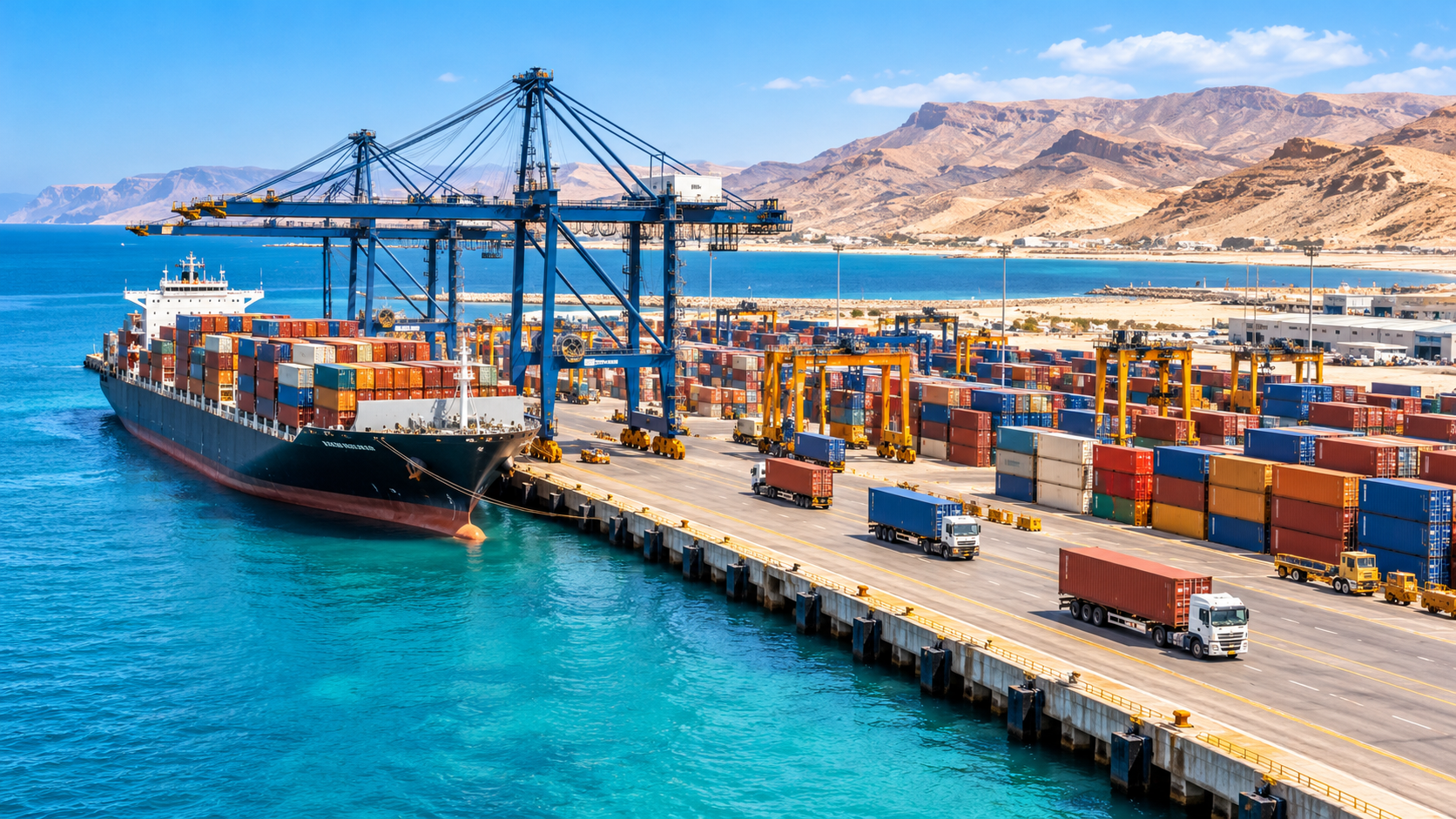
Featured image: editorial illustration of a container port on the Gulf of Aden; not a photograph of an actual event.
Sources: Horseed Media, October 12, 2026; DP World: Berbera port services and terminal information; DP World: Berbera Economic Zone opening; DP World: 2021 Ethiopia corridor memorandum.